Trees shorten the life of your roof through physical friction, excessive moisture retention, and structural strain
Watch the surroundings of your roof for it’s saftey
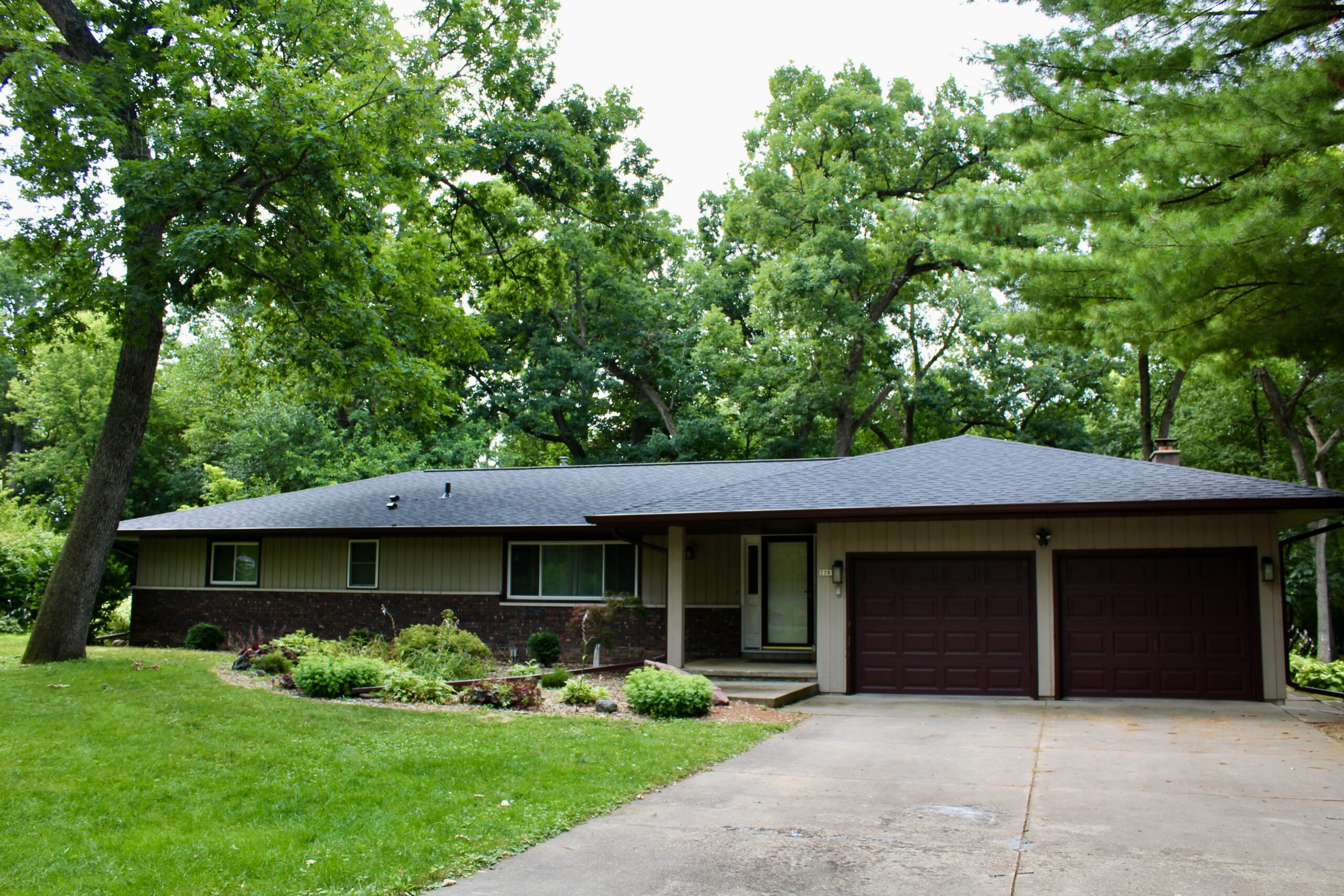
Trees shorten the life of your roof through physical friction, excessive moisture retention, and structural strain. Overhead branches act like sandpaper against shingles, scraping away the protective mineral granules that shield the asphalt from destructive ultraviolet radiation.
Furthermore, heavy canopy cover creates constant shade, preventing the roof from drying after rainfall and creating a damp environment where wood-rotting moss, algae, and lichens thrive.
At Oliwill Construction, we understand that rising costs are cascading across several major fields right now, causing homeowners to feel that property improvements are lower on the priority list.
However, these are services that matter and can save you money in the long run; the sooner you act.
Accumulated debris can also cause severe, hidden damage to your home
Falling leaves, twigs, and pine needles collect in roof valleys and gutters, forming dense dams that trap standing water and force it to back up under the shingles. During heavy storms, high winds can snap large, weak branches, causing catastrophic structural damage to the rafters and decking below.
Finally, low-hanging limbs offer a direct highway for pests like squirrels, raccoons, and rodents to chew through your roof vents and make a home in your attic.
Overhead canopies also create a localized microclimate
Thick tree cover blocks sunlight and restricts airflow, preventing the roof from drying completely after rain or dew. This chronic dampness invites the growth of moss, algae, and lichens.
Moss is especially destructive because it acts like a sponge, holding water against the shingles and roots its way into the seams, eventually lifting the shingles and allowing water to rot the wooden decking underneath.
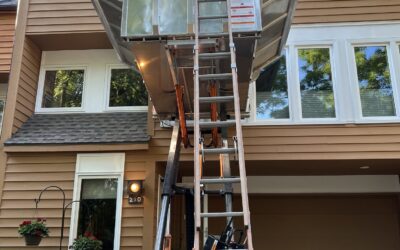
Wrapped up an exciting project, replacing 8 skylights across this beautiful condo! These aren’t just any skylights—they feature cutting-edge solar-powered technology with automatic opening and built-in blinds. Say goodbye to outdated designs and hello to energy savings and modern convenience!