Updating your home insulation is a high-return investment that drastically improves your living environment.
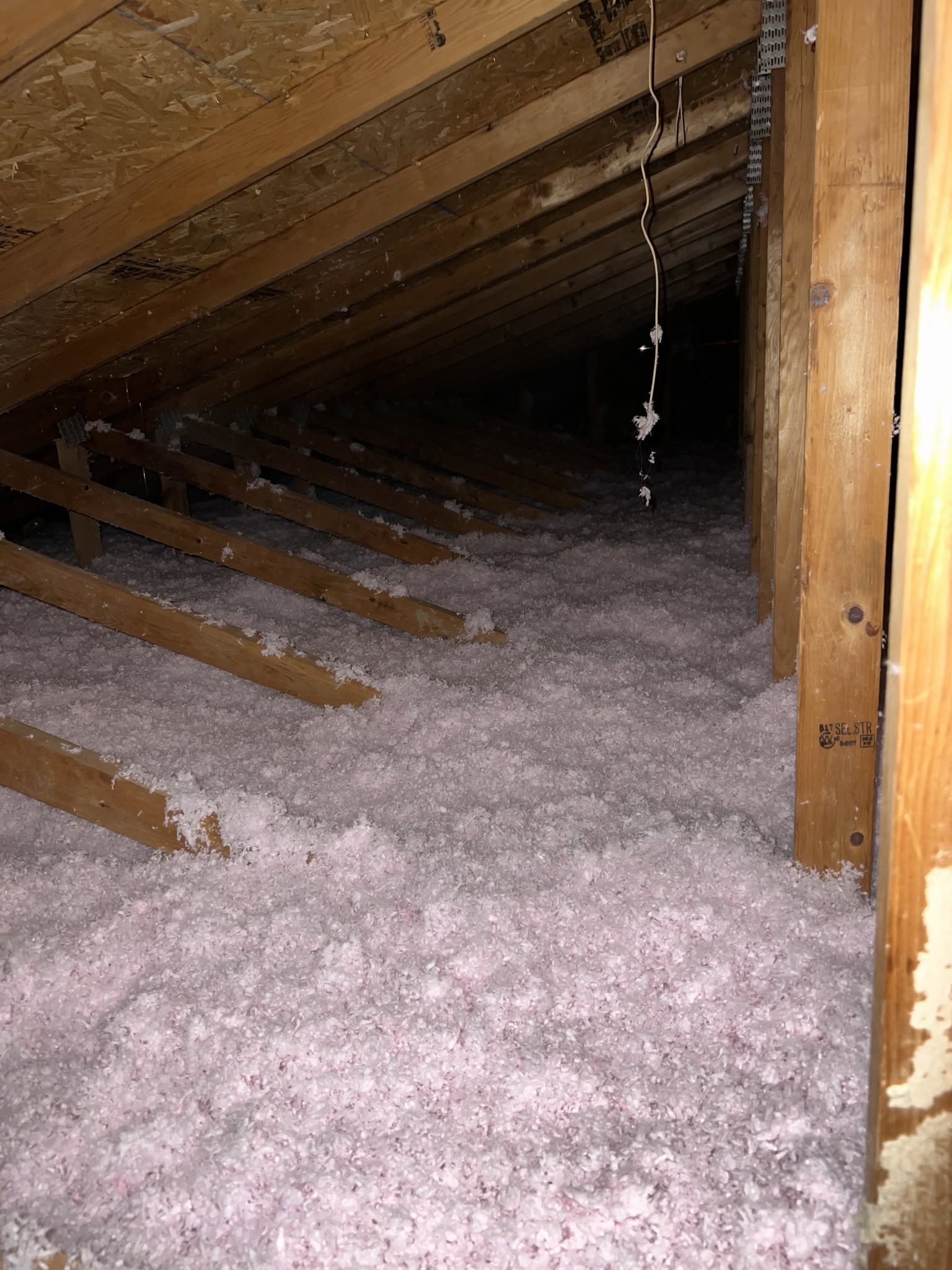
Just like your roof, your home’s insulation should be updated every 15-20 years.
It establishes a strong thermal barrier that prevents conditioned air from escaping, directly lowering energy bills and reducing the strain on your heating and cooling equipment.
At Oliwill Construction, we understand the rising costs cascading through several major sectors right now, leading people to feel that property improvements are lower on the priority list.
However, with flexible financing options, we can jump-start your project while comfortably spreading the financial impact.
⚡️Lower Energy Bills
Adding insulation can significantly cut the energy required to heat and cool your house.
Proper air sealing and insulation together can reduce overall energy costs by up to 30%
Because your mechanical systems don’t have to overwork to compensate for lost air, you minimize system strain.
This can help extend the lifespan of your furnace and air conditioner while reducing maintenance.
🏡 Consistent Comfort
Say goodbye to drafty floors in the winter and stifling, stuffy rooms in the summer.
Updated insulation eliminates hot and cold spots by stabilizing indoor temperatures.
Old or damaged insulation can trap moisture, paving the way for mold and mildew.
Modern materials and air sealing prevent buildup and block allergens and outdoor pollutants from entering.
💰Increased Property Value
Energy-efficient upgrades are highly attractive to eco-conscious buyers and can boost your home’s resale value and appraisal appeal.
Insulation acts as an excellent sound barrier, dampening loud street noise and reducing sound transfer between rooms.
Old or damaged insulation can trap moisture, paving the way for mold and mildew.
Modern materials and air sealing prevent this buildup and block allergens and outdoor pollutants from entering.
Gutters pull away from a home when the weight of the drainage system exceeds the holding power of its fasteners. This failure is typically driven by a combination of hidden water weight, structural rot, and installation errors.
A professional roof inspection is a systematic, multi-step health check of your roofing system that evaluates structural integrity, material condition, and interior vulnerabilities to prevent minor wear from turning into costly water damage.