
How to Tell If Your Roof Has Hail Damage: A Homeowner’s Guide for Madison, WI
Oh Hail No!
Severe hailstorms can cause significant damage to your roof, siding, gutters, and other exterior surfaces—even when the damage is not immediately visible from the ground. For homeowners in Madison, Wisconsin, the April 14, 2026, hailstorm brought exceptionally large hail to parts of Dane County, including reports of hailstones measuring up to four inches near Maple Bluff. Damage was also reported across Madison and surrounding communities.
After a major storm, it is important to understand what to look for and when to have your roof professionally inspected. Hail damage can compromise roofing materials and, in some cases, increase the risk of water leaks and further deterioration.
At Oliwill Construction, we help homeowners throughout Madison and the surrounding communities evaluate their home’s exterior after severe weather. Knowing the warning signs can help you take the next steps to protect your home.
6 Signs Your Roof May Have Hail Damage
Hail damage is not always easy to identify without a closer inspection. Here are six common signs homeowners should watch for after a hailstorm.
1. Bruised, Cracked, or Missing Shingles
Asphalt shingles can sustain impact damage when struck by hail. Look for:
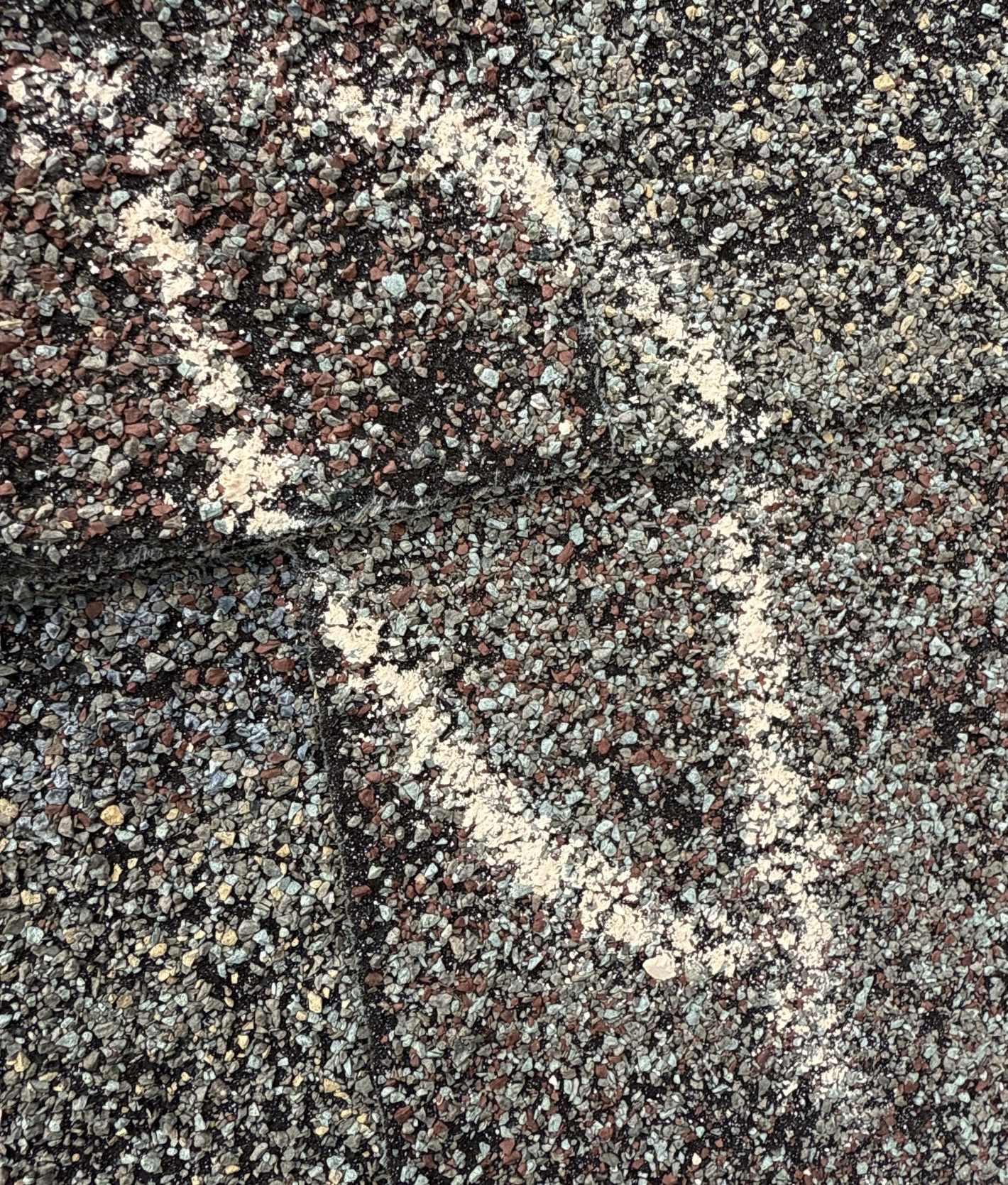
- Dark spots or areas where granules have been knocked away.
- Circular impact marks or bruising.
- Cracks, splits, or damaged shingle edges.
- Missing, loose, or lifted shingles.
Hail impacts can weaken shingles and expose the underlying roofing materials to the elements. Some damage may be difficult to see from the ground, so a professional assessment may be necessary.
2. Excessive Granules in Gutters and Downspouts
The granules on asphalt shingles help protect the roofing material from sunlight and weather. Hail can dislodge these granules, leaving vulnerable areas behind.
After a storm, check for:
- An unusual accumulation of granules in your gutters.
- Granules collecting near downspout outlets.
- Visible bald or discolored patches on shingles.
Some granule loss is normal as a roof ages. However, a sudden increase following a hailstorm may warrant further investigation.
3. Dents in Gutters, Downspouts, and Metal Flashing
Metal components around your roof can provide useful clues about the severity of a storm.
Inspect visible exterior areas for:
- Dents in aluminum gutters and downspouts.
- Dings in metal roof vents and flashing.
- Damage to gutter guards.
- Dents or impact marks on other exposed metal surfaces.
While dents alone do not confirm roof damage, they can help indicate where hail struck your home.
4. Damage to Roof Vents and Skylights
Roof accessories can also be affected by hail. Check for visible dents, cracks, or other signs of impact on roof vents, flashing, and skylight components.
Cracked skylight glazing, damaged seals, or displaced flashing may allow water to enter your home. If you notice water stains near a skylight or ceiling, arrange an inspection promptly.
5. Water Stains or Leaks Inside Your Home
Not all roof damage is immediately visible from outside. After a hailstorm, check your ceilings, attic, and upper walls for:
- Brown or yellow water stains.
- Damp insulation or wood.
- Dripping water during rainfall.
- Peeling paint or bubbling drywall.
- New moisture or musty odors in the attic.
These signs can indicate a roof leak or another moisture problem. Address active leaks promptly to help prevent additional damage.
6. Hail Damage to Siding, Windows, and Other Exterior Surfaces
Your roof is not the only part of your home that can be affected by hail. Walk around your property and look for dents, chips, cracks, or impact marks on siding, window trim, screens, and other exposed surfaces.
Damage to multiple exterior components can help provide a more complete picture of how the storm affected your property.
Important safety tip: Never climb onto a roof to inspect hail damage yourself. Roof surfaces can be slippery, unstable, or damaged after severe weather. A qualified roofing professional can assess the roof safely and document visible concerns.
Where Did the 2026 Hailstorm Affect the Madison Area?
The April 14, 2026, hailstorm brought unusually large hail to the Madison area. Reports included hail measuring approximately three inches on Madison’s east side and a four-inch hailstone near Maple Bluff. Additional hail and storm impacts were reported in surrounding Dane County communities.
Areas of interest following the storm include:
- Maple Bluff: Reports included exceptionally large hail, making roof and exterior inspections especially important for homeowners who experienced the storm.
- Downtown Madison and nearby neighborhoods: Homeowners should check for roof damage and inspect gutters, flashing, and other exposed exterior components.
- East Side Madison: Reports of large hail and damage to vehicles and homes made this an important area for post-storm assessments.
- North and West Madison: Storm impacts were reported across different parts of the city, so homeowners should not assume their roof escaped damage based solely on their neighborhood.
- Middleton and surrounding communities: Nearby communities should also assess their properties if they experienced hail or other severe weather.
- McFarland, Monona, Cottage Grove, and Sun Prairie: Homeowners in these surrounding areas should watch for signs of hail damage and arrange an inspection when needed.
The storm did not affect every property equally. Hail size, wind direction, roof age, roofing materials, and the location of your home can all influence the extent of damage.
Even if your neighbors have visible damage, your roof may have experienced different impacts. Likewise, a roof that looks fine from the street may still need a closer assessment.
What Should You Do If You Suspect Hail Damage?
If you believe your roof was affected by the 2026 hailstorm, taking a few practical steps can help you determine what to do next.
- Document visible damage. Take photos of dents, damaged siding, gutters, and any interior water stains from safe locations.
- Schedule a professional roof inspection. A qualified roofing contractor can examine the roof and identify visible signs of storm damage.
- Review your homeowners insurance policy. If damage is suspected, contact your insurance company to understand your coverage, deductible, deadlines, and claim requirements.
- Keep records of the damage. Save inspection reports, photographs, estimates, and any communications related to the storm.
- Address urgent leaks. If water is entering your home, seek prompt assistance to prevent additional damage.
Remember that hail does not automatically mean your roof needs replacement. The appropriate solution depends on the condition of your roof and the findings of a professional assessment.
Why Schedule a Roof Inspection With Oliwill Construction?
Your roof is one of the most important components of your home’s exterior. Identifying storm damage early can help you understand your options and determine whether repairs or further evaluation are needed.
Oliwill Construction is a locally based exterior improvement company serving McFarland, Madison, and surrounding Wisconsin communities. Our services include roofing, siding, gutters, and window replacement.
When you schedule an inspection, our team can help assess visible storm-related concerns and explain the next steps based on what we find.
We believe homeowners deserve clear communication, professional service, and straightforward information when making decisions about their homes.
Whether you experienced the April 2026 hailstorm firsthand or simply want peace of mind before the next severe weather event, having your roof evaluated is a practical step toward protecting your property.
Schedule Your Roof Inspection Today
Did the 2026 hailstorm affect your neighborhood? Don’t wait until the next heavy rain to find out whether your roof has been damaged.
Contact Oliwill Construction to discuss a roof inspection and learn more about protecting your home’s exterior after severe weather.
📍 Serving Madison, McFarland, Maple Bluff, Middleton, Monona, Sun Prairie, Cottage Grove, and nearby communities.
📞 Call us today at 608-576-0075
Schedule your FREE inspection HERE!
Let Oliwill Construction help you take the next step toward a safer, better-protected home.