Wisconsin’s extreme weather significantly impacts the lifespan and integrity of your home's exterior.
Harsh weather requires smart maintenance timing to prevent structural issues.
Knowing how the weather in your state impacts your property’s exterior is crucial to maintaining its maintenance and structural soundness.
At Oliwill Construction, we understand that rising costs are cascading through many major fields right now, causing people to feel that property improvements are lower on the priority list.
However, these are services that matter and can save you money in the long run; the sooner you act.
We have a few seasonal tips below to get you started.
🧊 Freeze-Thaw Cycles
The Damage: Wisconsin’s frequent temperature swings cause absorbed moisture in roofs and siding to freeze and expand, widening cracks and breaking down materials.
Impact: Causes shingle granular loss, curling, and compromises siding caulking or wood finishes.
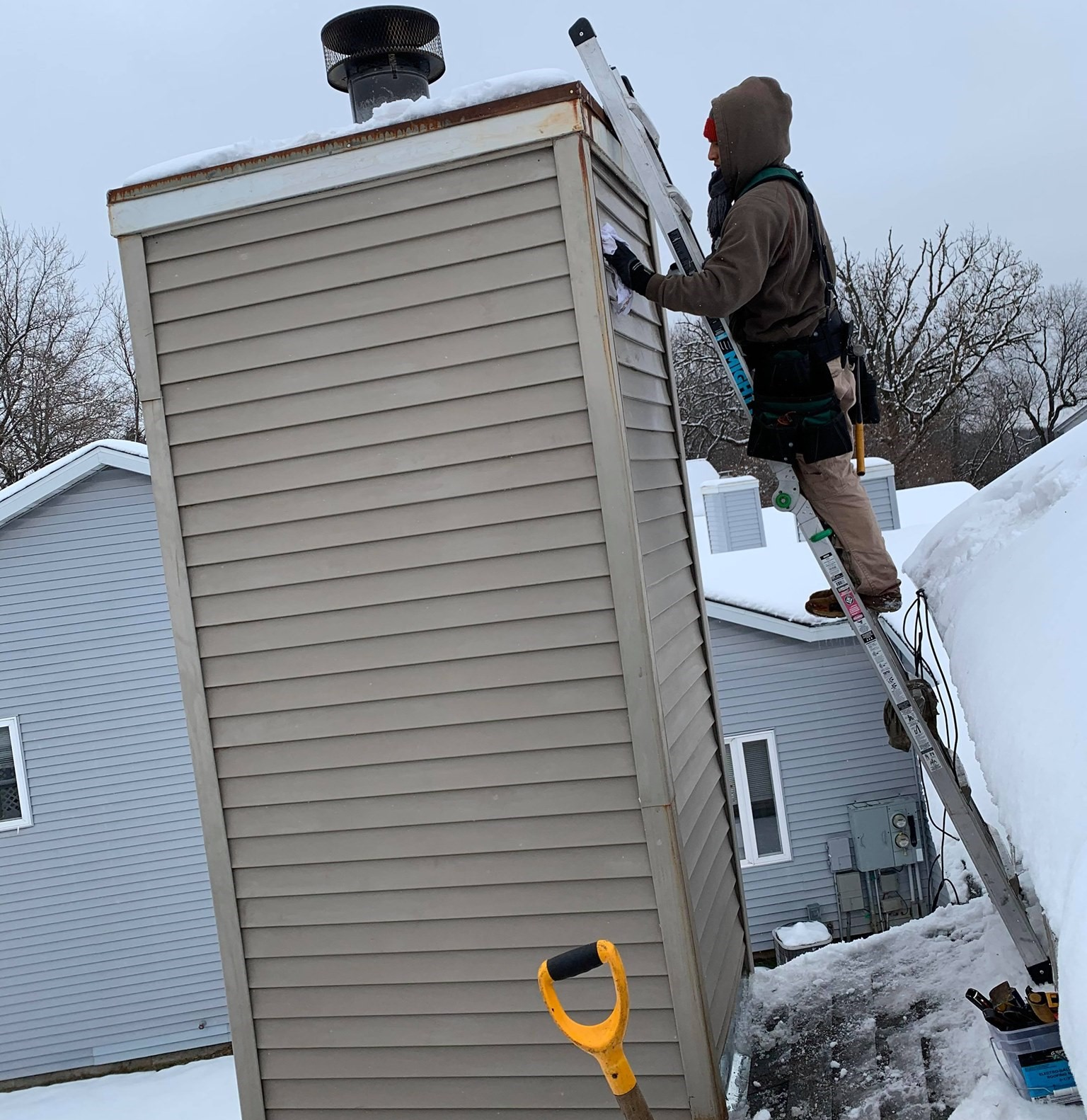
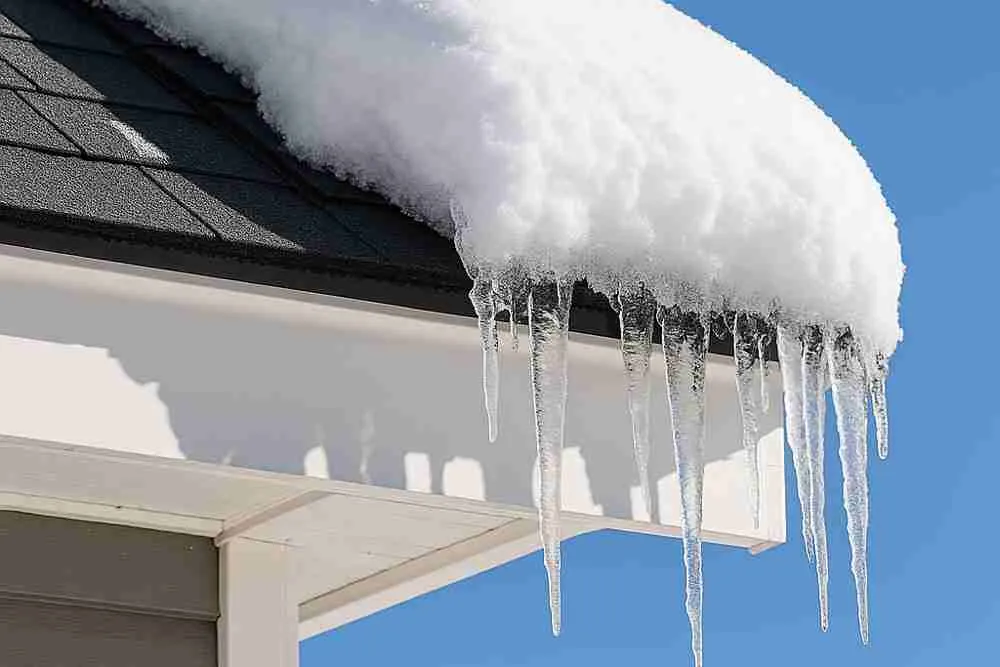
The Damage: Accumulated snow adds structural weight to the roof, while heat escaping from the attic melts snow to refreeze at the roof edge, forming ice dams.
Impact: Dams force water backward under shingles, resulting in interior leaks and ceiling damage.
💨 Wind and Hail
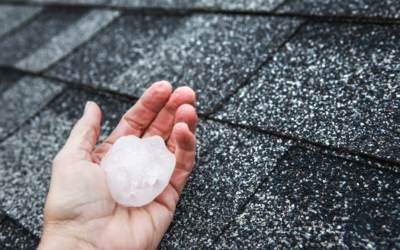
The Damage: Spring and summer storms frequently bring high winds and hail.
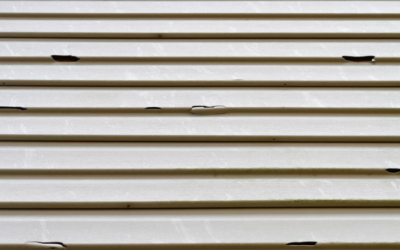
Impact: Wind lifts shingles and snaps or tears siding panels. Hail causes severe dents in aluminum siding and strips protective granules from asphalt shingles, accelerating wear.
☔️ Seasonal Considerations
Installation Limits: Roofing is best installed between 40°F and 85°F. Asphalt shingles become brittle in cold weather, which limits proper sealing and installation.
Best Seasons: Spring, summer, and fall are ideal for exterior work, offering stable, comfortable temperatures.
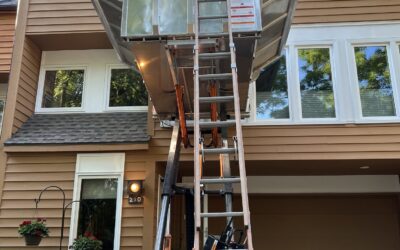
Wrapped up an exciting project, replacing 8 skylights across this beautiful condo! These aren’t just any skylights—they feature cutting-edge solar-powered technology with automatic opening and built-in blinds. Say goodbye to outdated designs and hello to energy savings and modern convenience!
Here’s what you can generally expect from the re-side process, including ways to prepare, questions to ask throughout the process, and other helpful information to help your project go as smoothly as possible.
Hail size significantly impacts roofing materials differently, causing granule loss and bruising on standard asphalt at smaller diameters, while more rigid materials like tile and slate risk fracturing under larger impacts. Understanding these damage mechanics helps homeowners determine whether a storm has caused purely cosmetic flaws or structural vulnerabilities.