What to expect during your home exterior process
Let’s Walk Through It
A full home exterior repair (roofing, siding, gutters, and trim) typically takes 2 to 4 weeks of on-site work.
However, the entire process from inspection to final cleanup often spans 1 to 2 months due to material ordering and permit approvals.
Timing on home exterior jobs is crucial as well. Knowing the timetable on how long the process takes can save you time and money.
At Oliwill Construction, we have flexible financing options; we can jump-start your project while comfortably spreading the financial impact.
What to Expect?
- Inspection & Planning (1-2 weeks): Contractors assess damage, take measurements, and help you select materials.
- Permits & Ordering (2-6 weeks): Local building permits are acquired. Standard materials arrive quickly, but custom windows or specialty siding can push this timeline out.
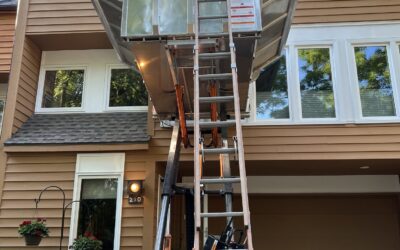
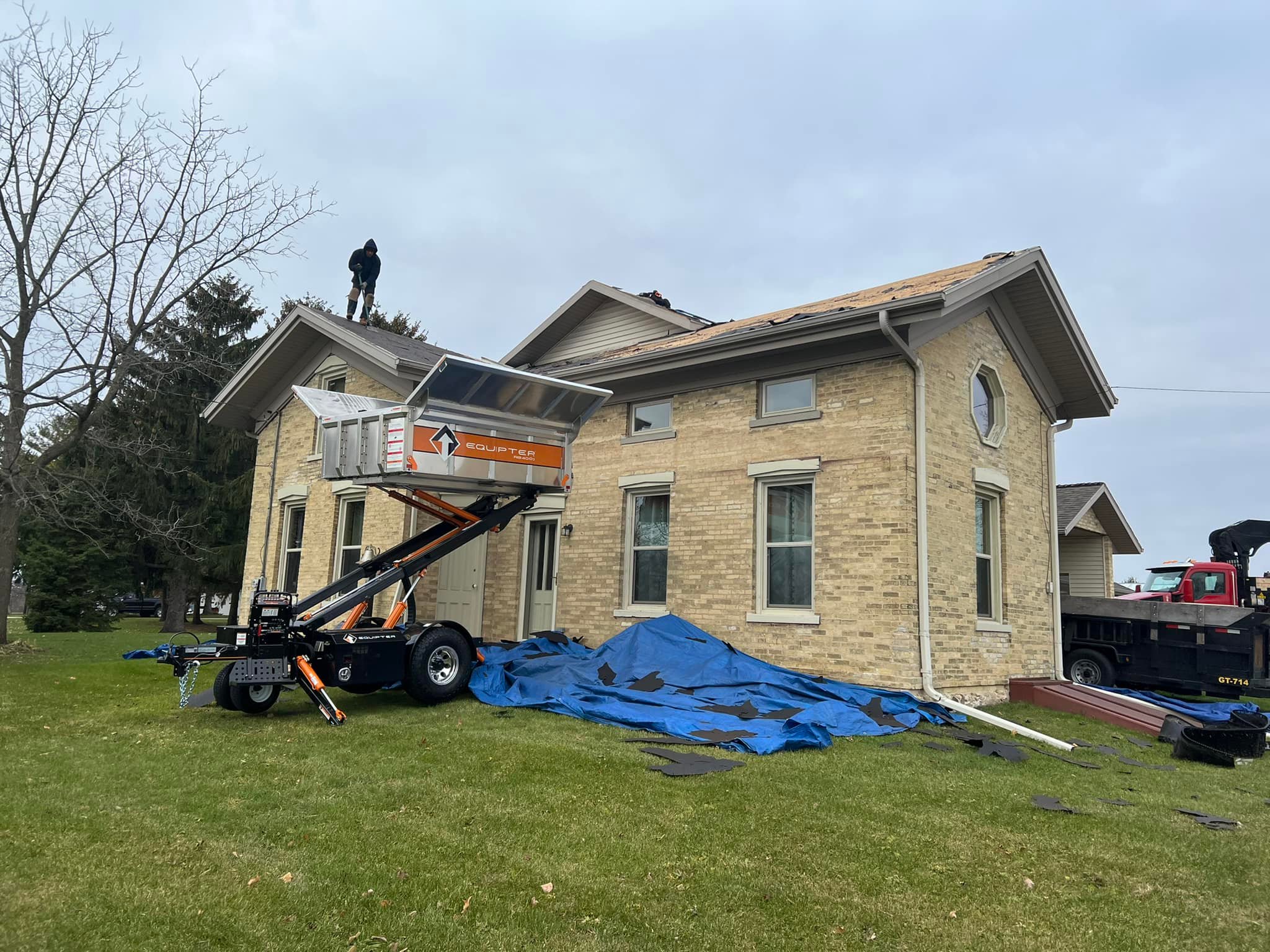
- Execution & Construction (2-4 weeks): Phase 1: Roofing (1-5 days): The old roof is torn off, the deck is inspected for rot, and underlayment and new shingles are installed.
- Phase 2: Windows & Doors (1-3 days): Old frames are removed, and new units are sealed and weather-proofed.
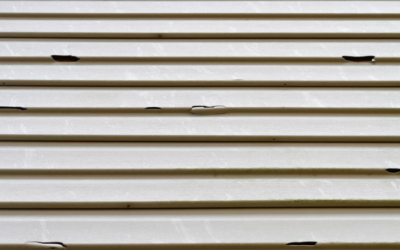
- Phase 3: Siding & Trim (1-3 weeks): Old siding is removed, weather barriers are applied, and new siding (e.g., vinyl, fiber cement) and trim are installed.
- Phase 4: Gutters & Downspouts (1-2 days): Usually the final exterior step.
Factors That Can Cause Delays
- Cleanup & Inspection (2-3 days): The crew removes debris (using a trailer or magnetic nail sweep), and a final walkthrough is done to ensure code compliance.
- Hidden Damage: Uncovering dry rot, mold, or termite damage in the structural framing requires stopping work to fix the root issue.
- Weather Constraints: Work involving tear-offs (roofing and siding) pauses during heavy rain, high winds, or extreme heat.

🤝 A Local Roofing Contractor You Can Trust
At Oliwill Construction, we proudly serve: 📍 Madison 📍 McFarland 📍 Marshall 📍 Deerfield 📍 Surrounding Wisconsin communities We provide: ✔ Window replacement and installation ✔ Roof repair and replacement ✔ Siding installation ✔ Gutter services As a locally owned company operated by two brothers, we focus on quality workmanship and honest service.📞 Call us with your situation, and we’ll find the right plan for you!
If you believe your property could use a refresh or a safety and security update, call us today for an estimate.
Oliwill Construction
📞 (608) 576-0075
🌐 Homepage
NOW OFFERING FINANCING options to fit your budget. Call us today to find a plan that works for you.