Maintaining your siding requires close attention to the fine print and strict maintenance.
Saving your Siding
Extending the lifespan of your home’s siding requires a targeted approach that addresses both universal exterior threats and the unique vulnerabilities of specific siding materials.
At Oliwill Construction, with flexible financing options, we can jump-start your project while comfortably spreading the financial impact.
🛠️ Universal Maintenance Checklist
- Ban high-pressure power washing: Never use heavy pressure on your exterior. High-pressure streams blast water upward and underneath the panels, trapping moisture against your home’s sheathing and creating an absolute breeding ground for hidden toxic mold.
- Create a 12-inch landscape buffer: Tree branches, overgrown shrubs, and climbing ivy trap heavy moisture against the surface and physically scratch away protective coatings. Prune all vegetation back at least one foot.
- Clear the roof runoff path: Clogged or leaky gutters cause water to cascade down the sides of your home rather than traveling through downspouts. Clean gutters twice a year to stop water from rotting the top edge of your siding.
- Perform bi-annual inspections: Inspect your exterior every spring and fall. Look specifically for warped panels, loose nails, missing caulking, or pest entry points.
🧪 Material-Specific Care Strategies
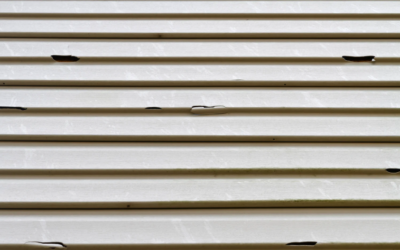
- Vinyl UV Oxidation & Cracking: Use a garden hose kit with a pre-mixed detergent to melt away dirt, and never nail panels flush to the wall (they must expand and contract).
- Fiber Cement Paint Degradation: Inspect joint caulking annually. While highly resistant to rot, expect to repaint the boards every 15 to 20 years to maintain water resistance.
- Natural Wood Rot & Pest Infestation: Re-seal or repaint every 2 to 5 years. Sand down and treat any small spots of moisture infiltration immediately before the rot spreads.
- Engineered Wood Exposed Edge Rot: Pay strict attention to the factory coatings. If you cut a board or notice a chip, seal the raw edge immediately to stop water absorption.
🤝 A Local Roofing Contractor You Can Trust
At Oliwill Construction, we proudly serve:
📍 Madison
📍 McFarland
📍 Marshall
📍 Deerfield
📍 Surrounding Wisconsin communities
We provide:
✔ Window replacement and installation
✔ Roof repair and replacement
✔ Siding installation
✔ Gutter services
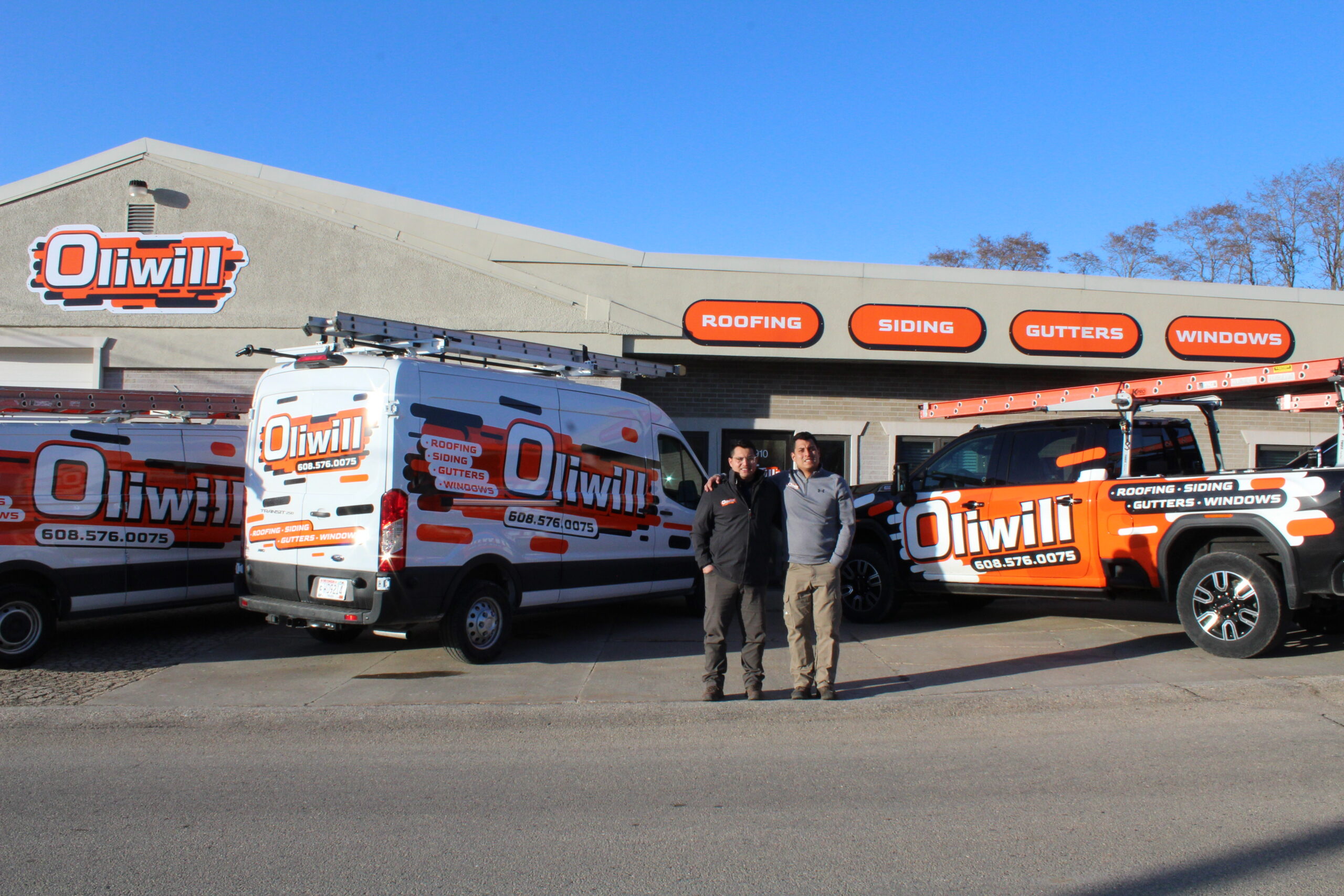
As a locally owned company operated by two brothers, we focus on quality workmanship and honest service.
📞 Call us with your situation, and we’ll find the right plan for you!
If you believe your property could use a refresh or a safety and security update, call us today for an estimate.
Oliwill Construction
📞 (608) 576-0075
🌐 Homepage
NOW OFFERING FINANCING options to fit your budget. Call us today to find a plan that works for you.